Introduction
In his memorandum titled “Warfighter Performance Optimization – Total Force Fitness” Secretary of War Hegseth highlighted the importance of decision-making, attention, and cognitive endurance in the modern battlefield and prioritizing cognitive performance as a core occupational readiness competency. [1]
Vestibular performance is foundational to cognitive performance, including decision-making, attention, and cognitive endurance. Cognitive performance initiatives should include strategies to evaluate and train vestibular functions to achieve desired outcomes.
The Vestibular System and Cognition
Foundational to decision-making is a clear understanding of the environment, including stable vision, organization and understanding of two- and three- dimensional space, spatial memory, and navigation. All of which are functions reliant on vestibular information. [2]
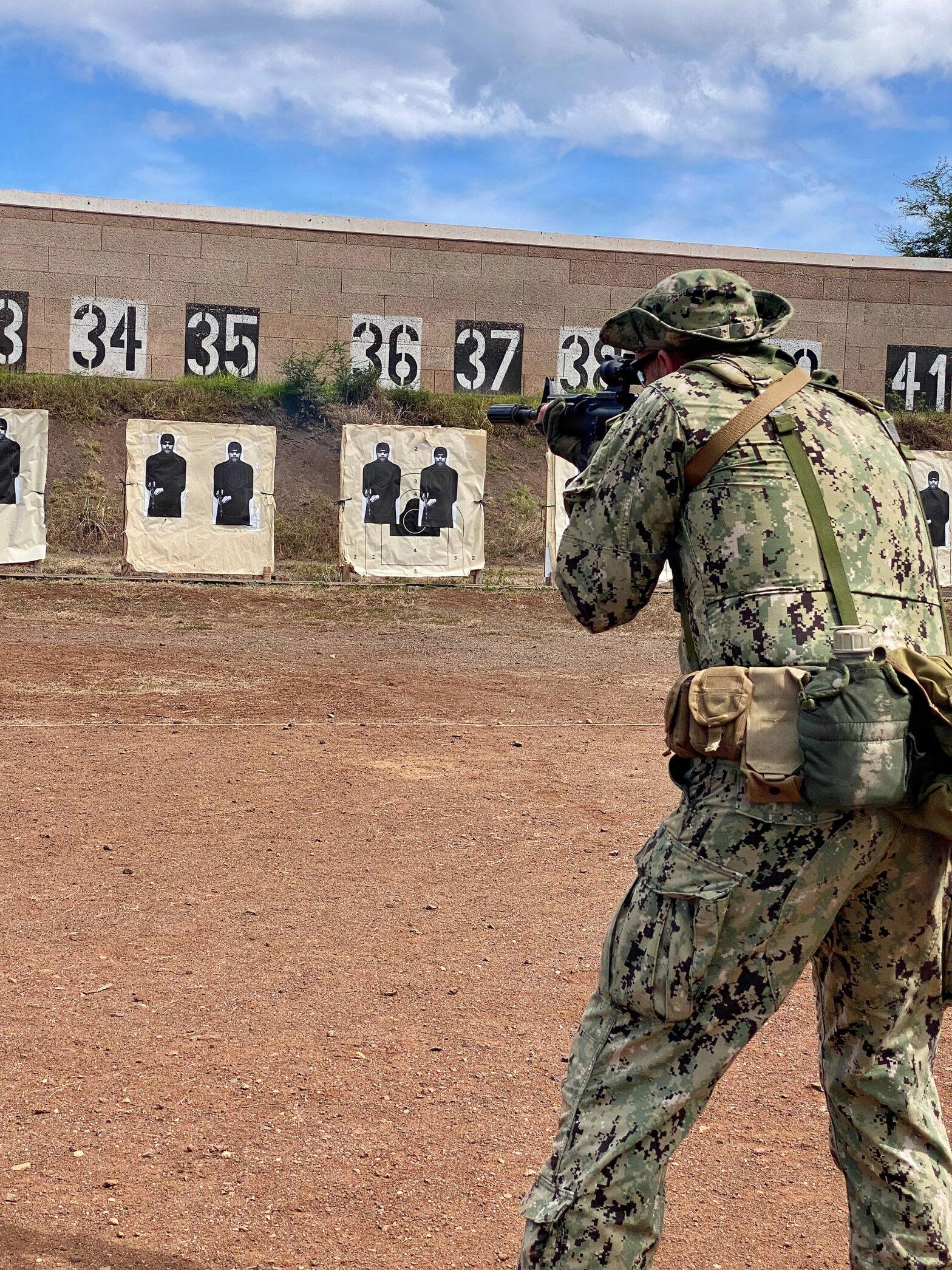
The Warfighter must move with their eyes-up to acquire and engage targets with speed and precision. Maintaining an eyes-up posture enables cognitive attention to the battlefield, but effective movement in this state depends on a high-functioning vestibular system operating in the background, allowing speed and precision of movement while attention is directed toward cognitive demands.
Vestibular dysfunction requires additional cognitive resources to maintain balance, without which a loss of speed or precision of movement occurs. This decreases the availability of cognitive resources for attention on the battlefield and decision-making tasks. [2]
Additionally, vestibular training can lower cognitive cost and reduce metabolic expenditure, particularly during novel discordant sensory conditions. [3] A reduction in cognitive metabolic expenditure could improve cognitive endurance capabilities of the Warfighter.
Prioritizing Brain Health
The brain integrates sensory information and subsequently informs decision-making.
That sensory integration includes information from the vestibular sensory structures. Deficits in that integration process can result in global cognitive deficits. [4]
The regions of the brain that are responsible for sensory integration are vulnerable to common occupational exposures that negatively affect Warfighter brain health, including repeated low-level blasts. [5]
Secretary Hegseth highlighted the importance of mitigating brain health risks that erode cognitive performance. [1]
It is vital we recognize and include vestibular capabilities in the tactics, techniques, and procedures to train and optimize Warfighter cognition.
Failing to include vestibular training will not only limit battlefield effectiveness but also lower the ceiling of Warfighter performance potential.
Vestibular Training
Astronauts are susceptible to decreased vestibular function during prolonged zero gravity conditions which decreases capabilities when landing on Mars and the return to earth.
To combat this, vestibular training has become a key aspect of astronaut training for space. Vestibular training has increased astronaut stability, lowered cognitive cost, and reduced metabolic expenditure when exposed to novel sensory conditions. [3]
While the success of vestibular training for astronauts is instructive, vestibular training for the Warfighter requires specificity that reflects specific occupational demands.
This should include progressive, measurable, and targeted training that can be performed even in the most austere environments with little to no equipment required.
Conclusion
Warfighter brain health and cognitive performance are priorities for Secretary of War Hegseth to ensure battlefield readiness.
Strategies to enhance cognitive performance must include vestibular training to achieve desired outcomes and maximize performance.
While we can leverage lessons learned from astronaut training, Warfighter vestibular training interventions should provide a progressive, measurable, and targeted pathway that can be executed in resource-constrained and austere operational environments without reliance on specialized equipment.
References:
- Department of War. (2026, May 6) Warfighter Performance Optimization – Total Force Fitness. Records of the Office of Secretary of War, National Archives, Washington, DC.
- Bigelow, R. T., & Agrawal, Y. (2015). Vestibular involvement in cognition: Visuospatial ability, attention, executive function, and memory. Journal of vestibular research, 25(2), 73-89.
- Bloomberg, J. J., Peters, B. T., Cohen, H. S., & Mulavara, A. P. (2015). Enhancing astronaut performance using sensorimotor adaptability training. Frontiers in systems neuroscience, 9, 129.
- Smith, L. J., Wilkinson, D., Bodani, M., & Surenthiran, S. S. (2024). Cognition in vestibular disorders: state of the field, challenges, and priorities for the future. Frontiers in neurology, 15, 1159174.
- Champagne, A. A., Coverdale, N. S., Ross, A., Murray, C., Vallee, I., & Cook, D. J. (2021). Characterizing changes in network connectivity following chronic head trauma in special forces military personnel: a combined resting-fMRI and DTI study. Brain injury, 35(7), 760-768.