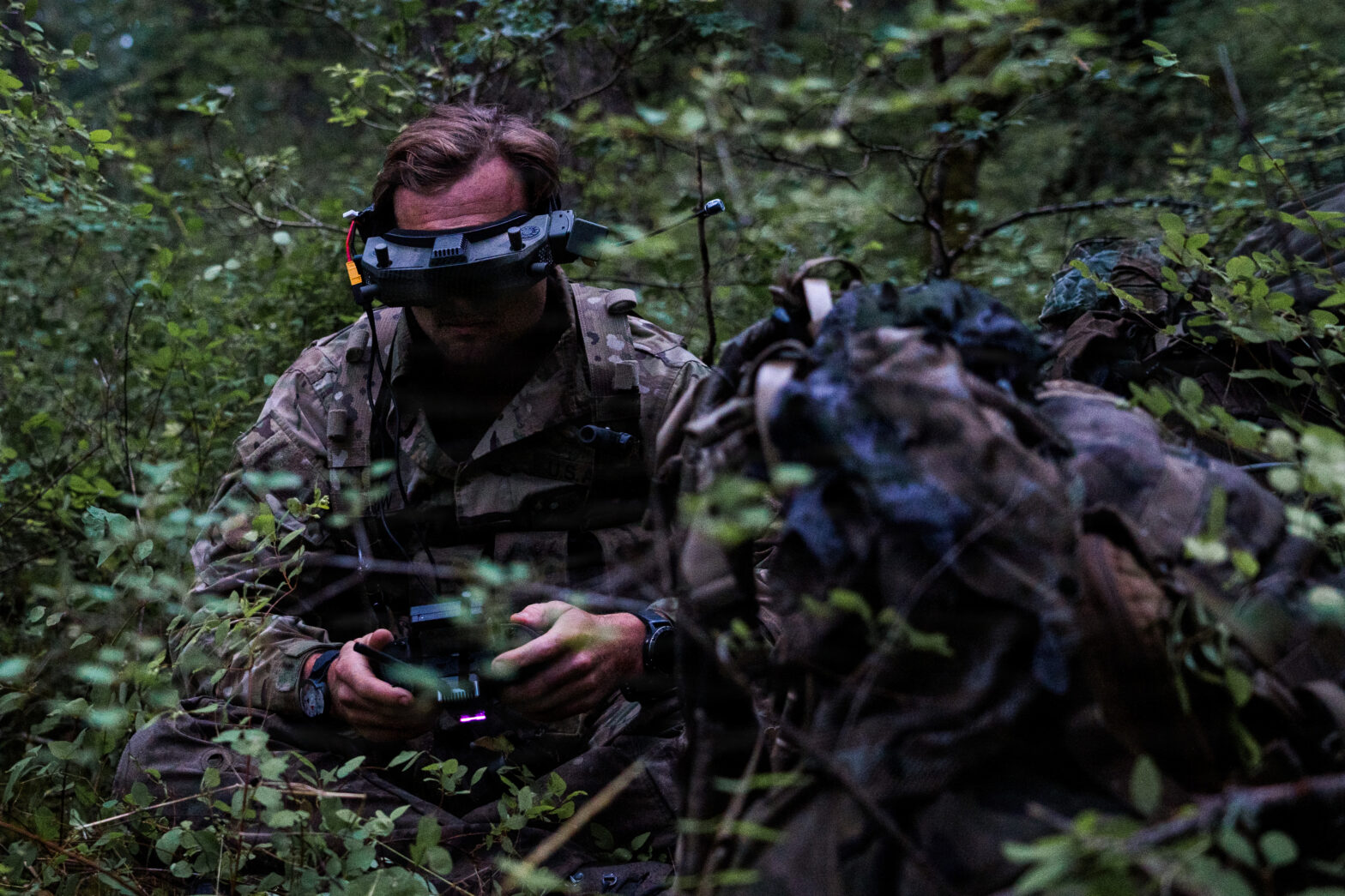
In the face of wartime scenarios, optimizing training prior to deployment is vital, but maintaining the level of performance from that training over extended fighting conditions is also essential. The intent is to raise the ceiling of performance while also raising the floor of performance. For example, if an individual can run a 4-minute mile… Continue reading Training Vestibular Resilience
Blog
Cognition and the Vestibular System
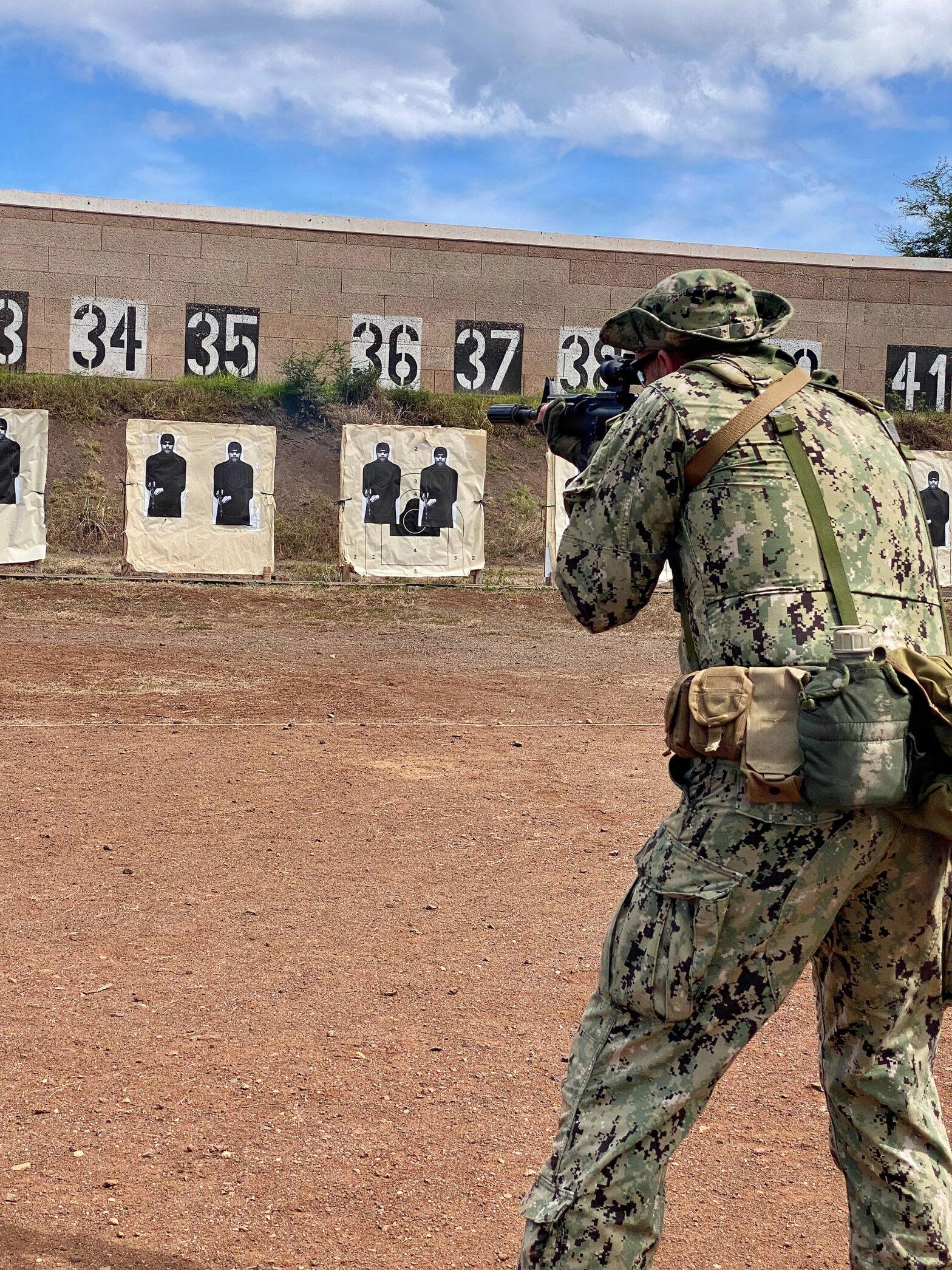
Introduction In his memorandum titled “Warfighter Performance Optimization – Total Force Fitness” Secretary of War Hegseth highlighted the importance of decision-making, attention, and cognitive endurance in the modern battlefield and prioritizing cognitive performance as a core occupational readiness competency. [1] Vestibular performance is foundational to cognitive performance, including decision-making, attention, and cognitive endurance. Cognitive performance… Continue reading Cognition and the Vestibular System
“DL” Case Review
A male Federal Law Enforcement Agent, who I will refer to as “DL”, was exposed to 20,000 rounds through two rifles chambered in 6mm ARC during two days of product testing. Of the 20,000 rounds, 2,000 were suppressed. The rifles had muzzle breaks installed, and he stood in the middle of both rifles for almost… Continue reading “DL” Case Review
Sonic Weapons and the Human Body
A recently published article in the Chinese Journal of Traumatology provided a narrative review of injuries of sonic weapons to the human body. [1] Below are my notes from this article, which has free full access available for your reading. Ultrasound: frequencies higher than 20kHZ. Inaudible to the human ear. Directional and can penetrate the… Continue reading Sonic Weapons and the Human Body
Output Degradation
For high level tactical professionals, I expect an individual to show up with a high degree of output capacity. What I am interested in is how that output capability withstands sensorimotor challenges. I approach this in 4 phases. Phase 0 is baseline evaluation of speed and precision of the specific movement pattern we are stressing.… Continue reading Output Degradation
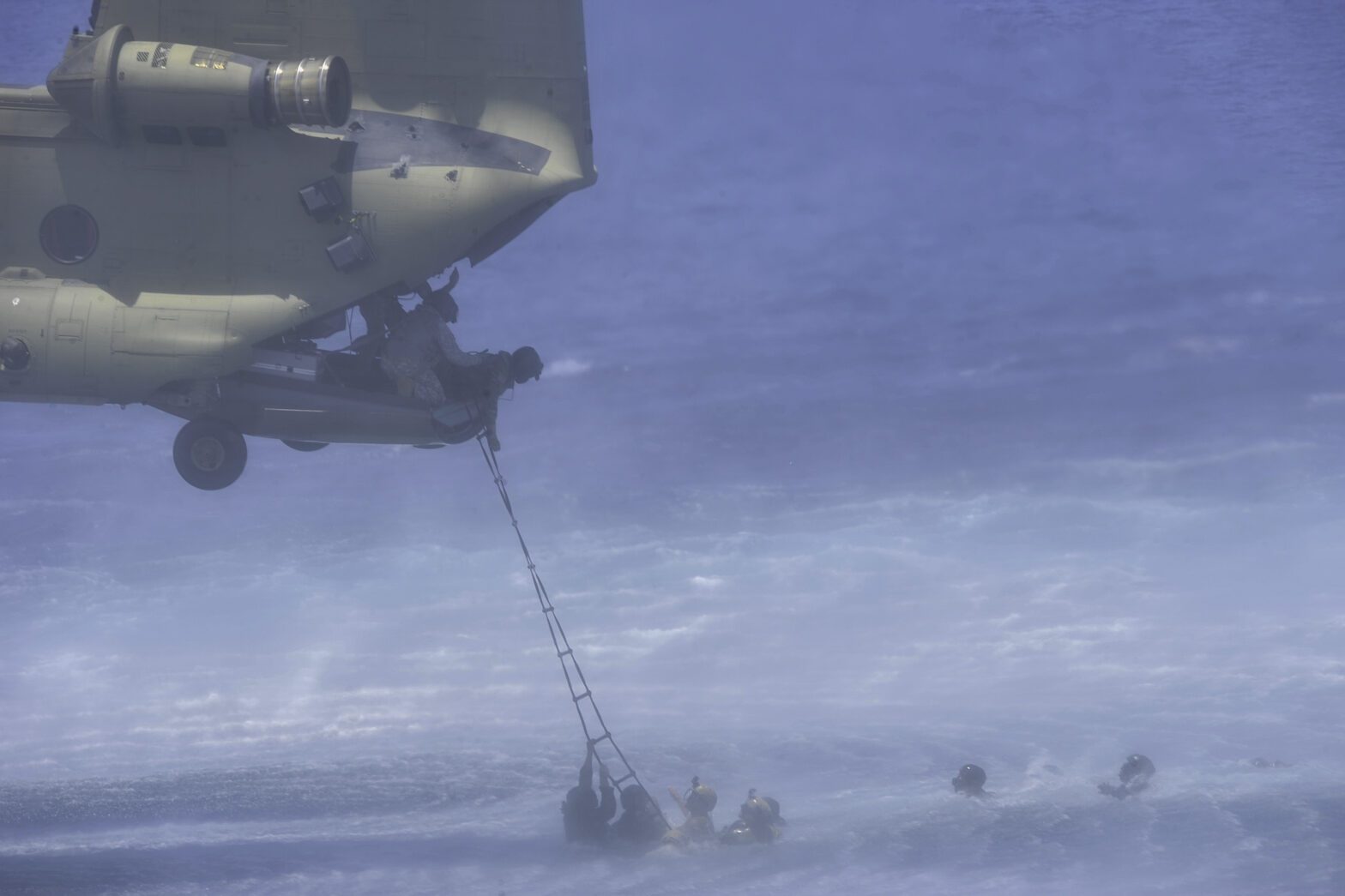
Vestibular Capabilities: Stabilization on Jacobs Ladder and SWCC
Epigenetics and Repeated Head Impacts
Epigenetics is a foundational aspect of life – reflecting both how genes are expressed and their interaction with the environment. Epigenetic studies offer insight into cell function at the most fundamental level. One study by Breen et al., 2025, investigated the relationship between duration of repeated head impacts and abnormal epigenetics in the frontal cortex… Continue reading Epigenetics and Repeated Head Impacts
Power, Stabilization, Plane, Volume
I look at four main components of a capability when evaluating the vestibular demands for training gaze stabilization. Peripheral and central vestibular processing are vulnerable to repeated low level blasts. And while the importance of training vestibular performance is self-evident, the urgency of incorporating proactive vestibular training is magnified by the significant subconcussive exposures in… Continue reading Power, Stabilization, Plane, Volume
Training Intent
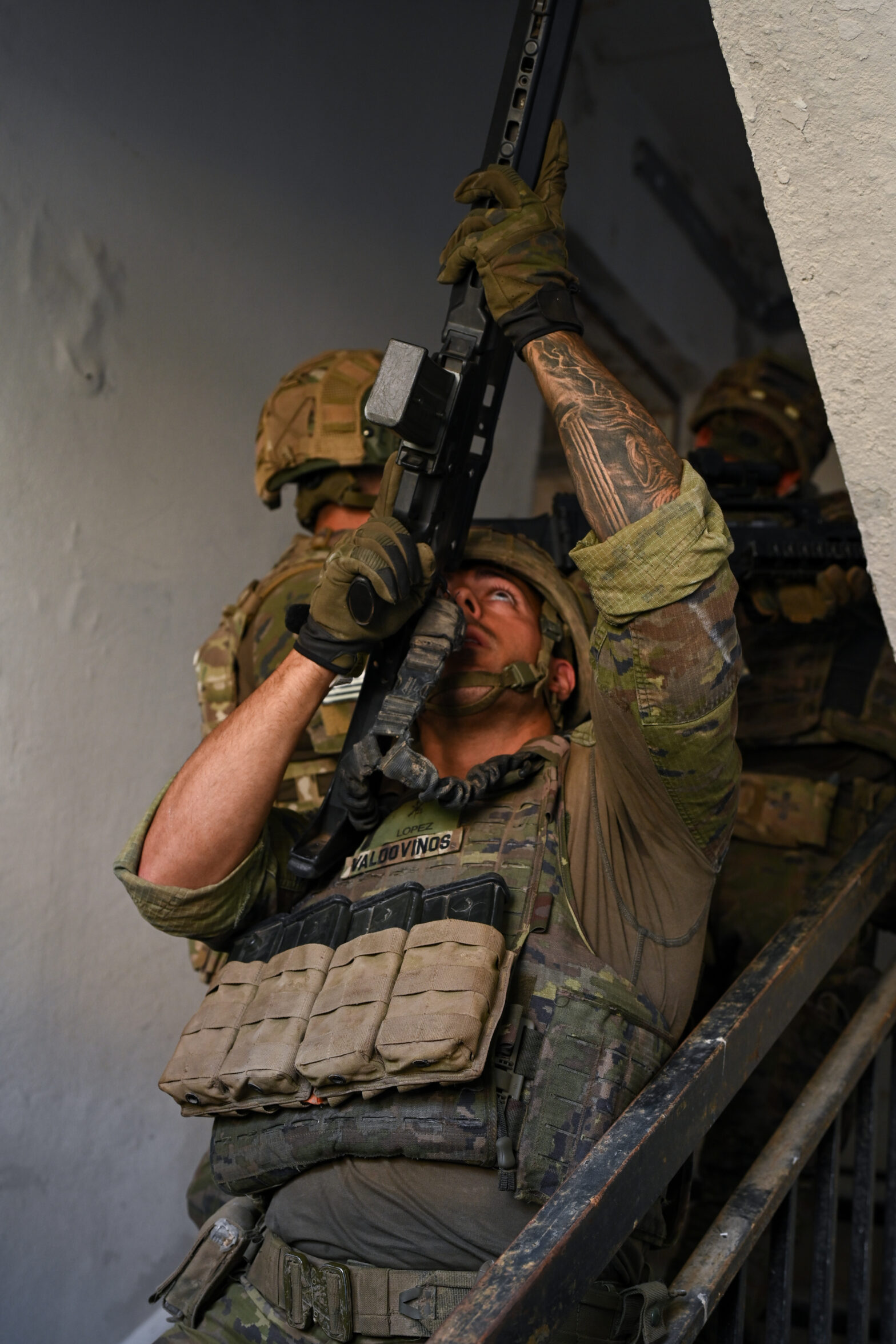
My approach to vestibular training has evolved to include “developmental pathways”. I wanted to create a way to systematically approach vestibular training, with a clear route to progressive overload, as well as built-in deload strategies. To achieve a holistic approach, I included pathways specific for the three vestibular angular planes I also built out a… Continue reading Training Intent
The Integral Relationship of Cognitive, Emotional, and Sensorimotor Processing
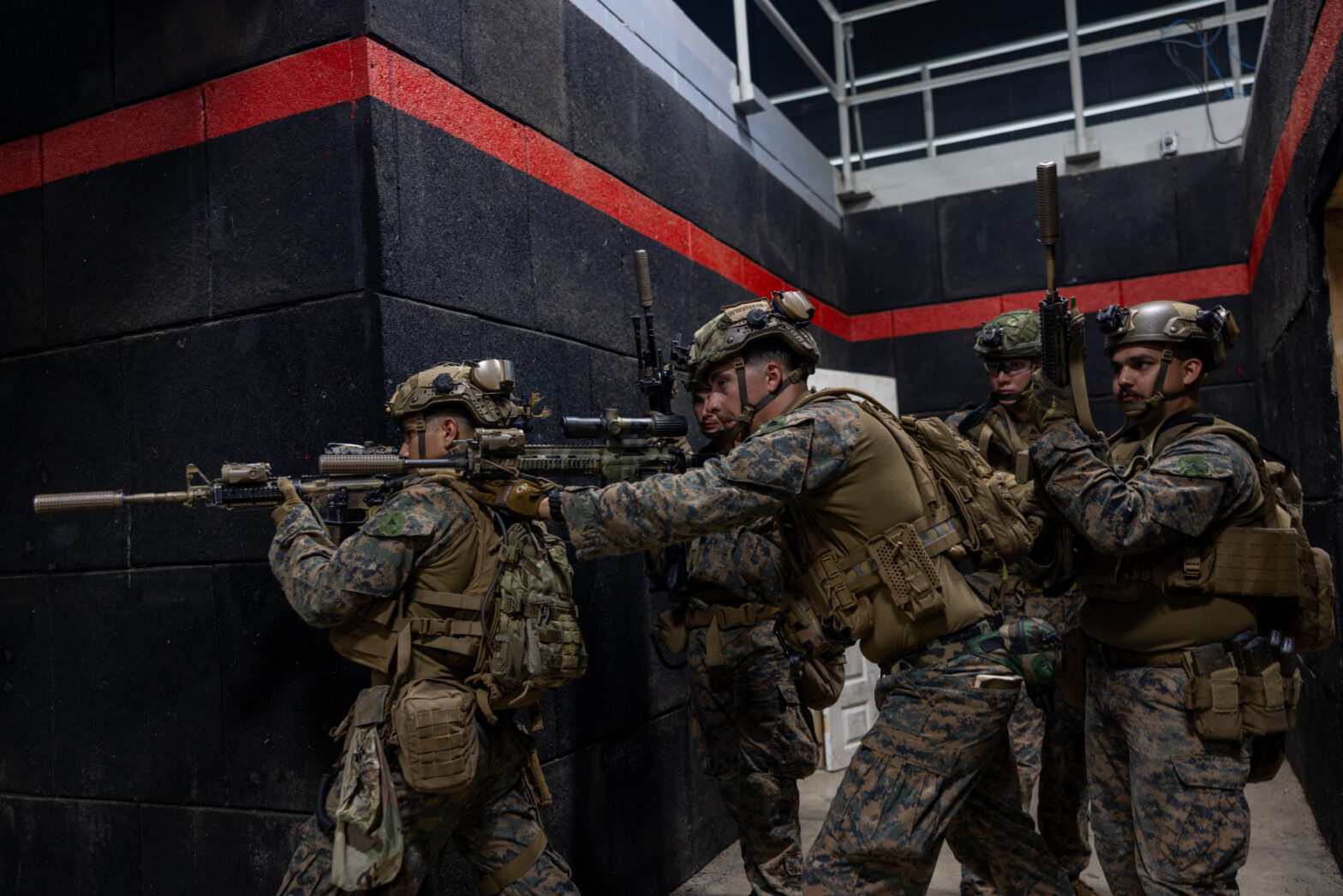
The brain has many processing responsibilities, including emotional, sensorimotor, and cognitive functions. While we often see each domain as separate, they are highly integrative, with most scenarios that tactical professionals face having components of all three. I look at it in a simplified manner with this equation Input -> Processing -> Output Δ sensory input… Continue reading The Integral Relationship of Cognitive, Emotional, and Sensorimotor Processing