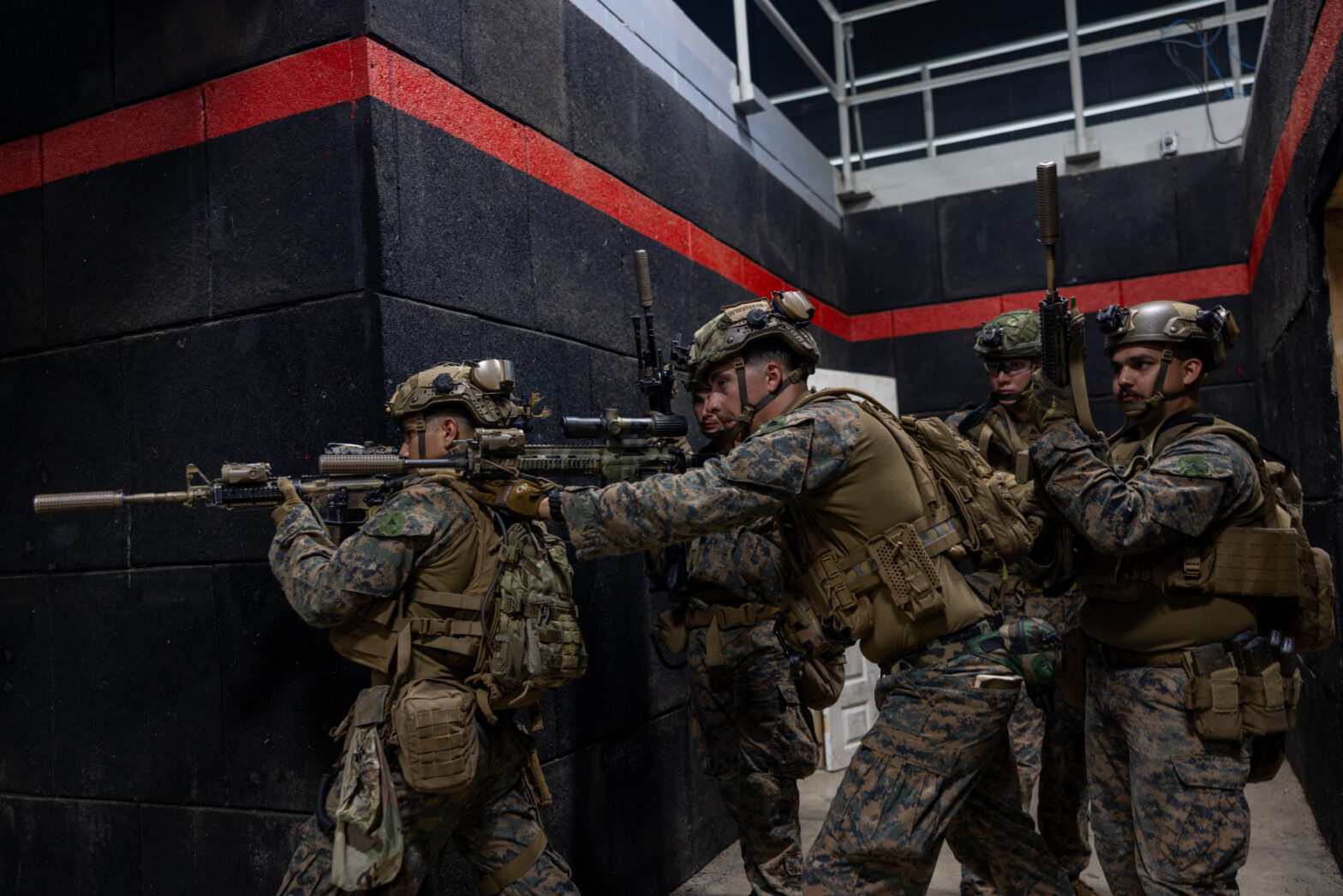
The brain has many processing responsibilities, including emotional, sensorimotor, and cognitive functions. While we often see each domain as separate, they are highly integrative, with most scenarios that tactical professionals face having components of all three. I look at it in a simplified manner with this equation Input -> Processing -> Output Δ sensory input… Continue reading The Integral Relationship of Cognitive, Emotional, and Sensorimotor Processing
Author: Dani Fennerty
Practice and Plasticity
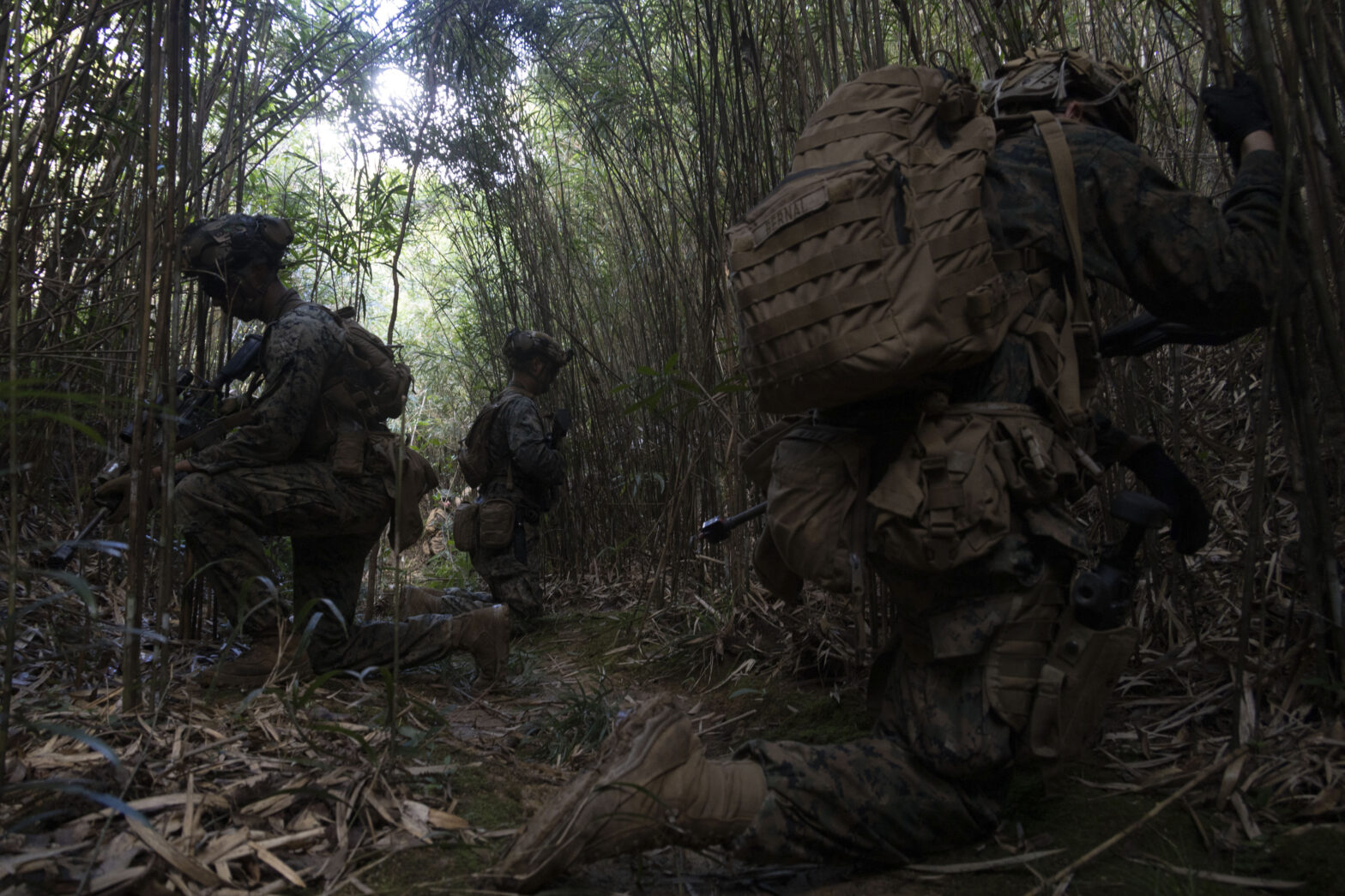
The brain is inherently flexible; it is highly adaptable to functional demands. ‘Plasticity’ is a term used to describe this capability. The brain learns from what we repeatedly do, with changes to both the pattern and effectiveness of neural connections reflecting that. Think of it like building roadways in your brain. A specific skill, such… Continue reading Practice and Plasticity
Improving Brain Functional Connectivity After Repeated Head Impacts
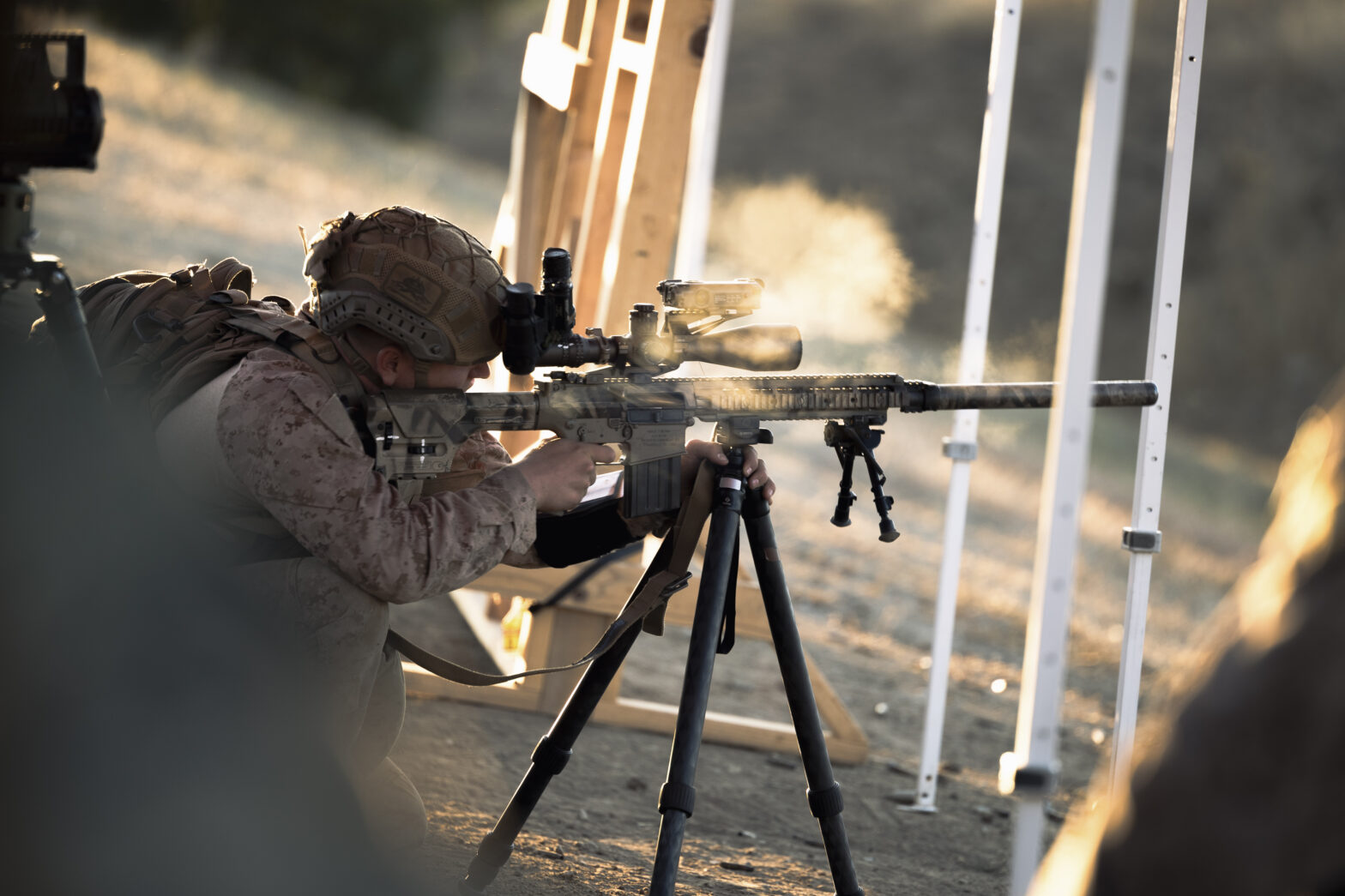
Measuring functional connectivity of the brain is a method used to identify changes to how the brain communicates. This is often used to quantify injury to the brain, but also effectiveness of treatments. For example, US Iraq and Afghanistan Veterans with close-range blast exposures had changes to the resting state functional connectivity even with no… Continue reading Improving Brain Functional Connectivity After Repeated Head Impacts
Subconcussive Impacts and Visuo-Vestibular Performance at US Army Basic Airborne Training
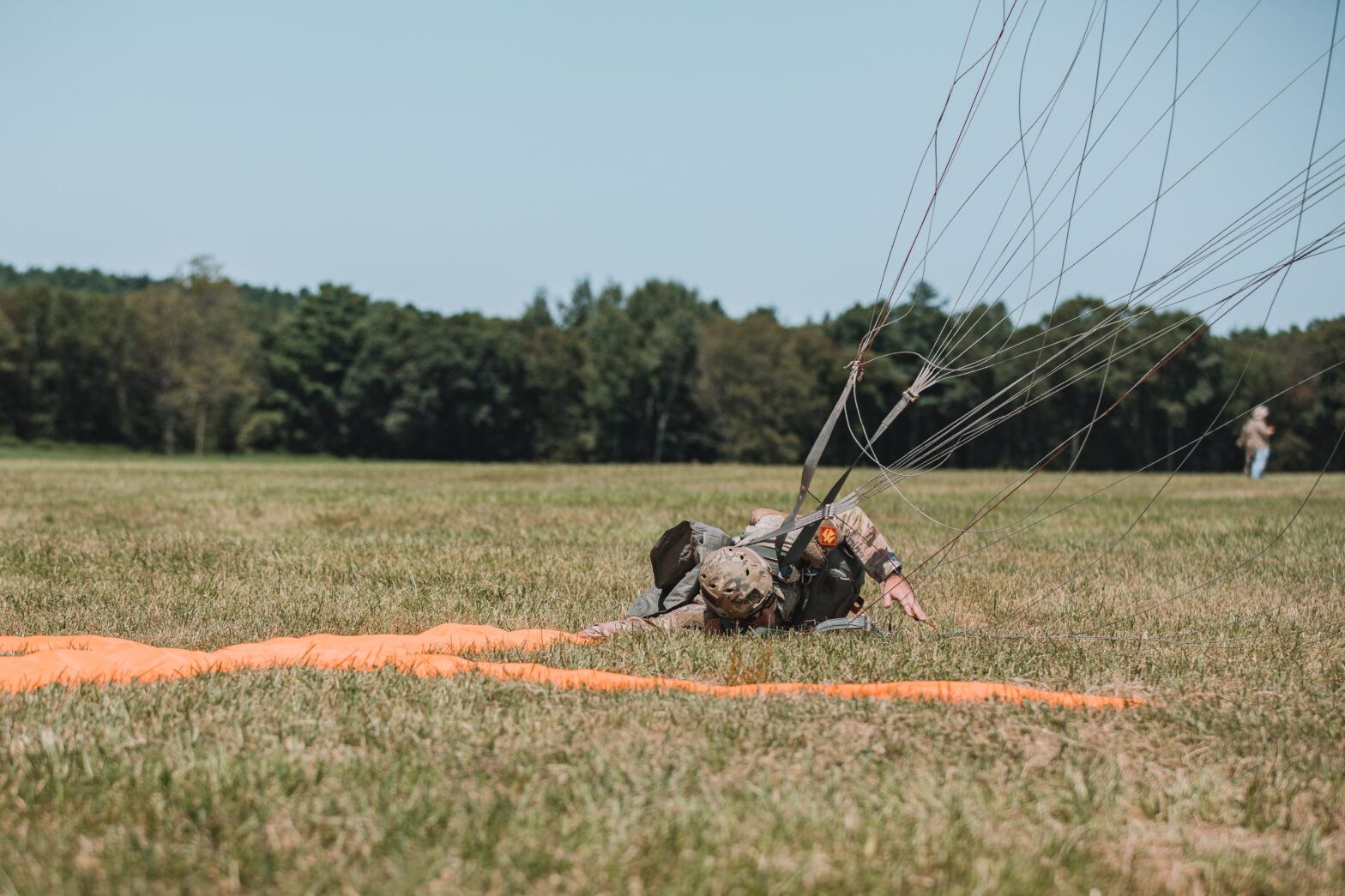
Soldiers attending the US Army Basic Airborne Training were equipped with sensors that detect head motion from impact or inertia, offering metrics on number of impacts, peak linear acceleration, peak rotational acceleration, and peak rotational velocity. These soldiers also underwent a visual-vestibular balance/sensory integration assessment that included assessment of the ability to process and integrate… Continue reading Subconcussive Impacts and Visuo-Vestibular Performance at US Army Basic Airborne Training
Musculoskeletal Injury and The Vestibular System
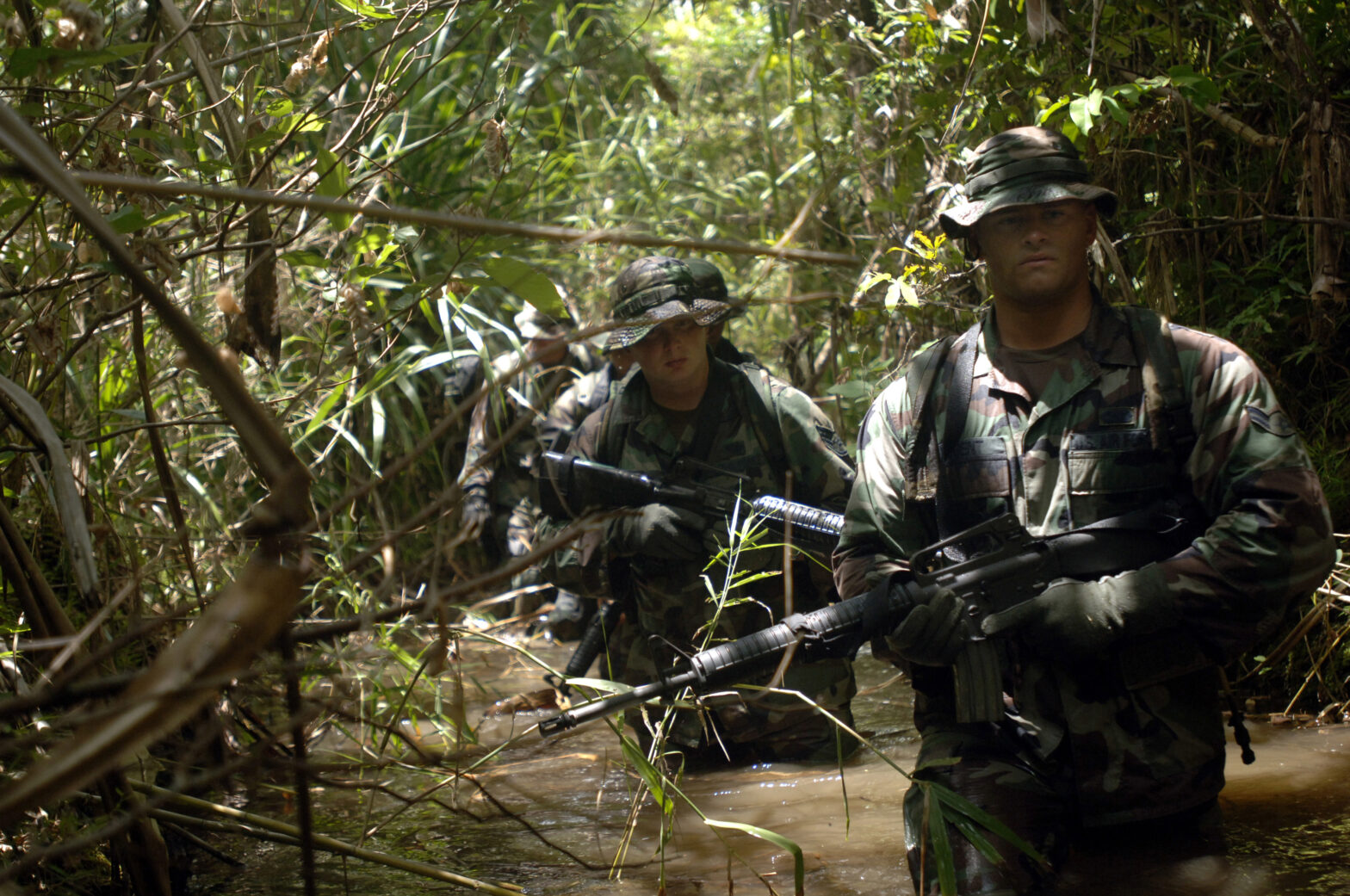
The vestibular system contains some of the fastest reflexes in the body. The fastest vestibular response is nearly 5x faster than the fastest visual response. The vestibular system works closely with the somatosensory and visual systems for sensorimotor control. Sensorimotor Control = Ownership of Movement and Position Musculoskeletal injury prevention is therefore highly dependent on… Continue reading Musculoskeletal Injury and The Vestibular System
CTE in SWCC – A Case Study
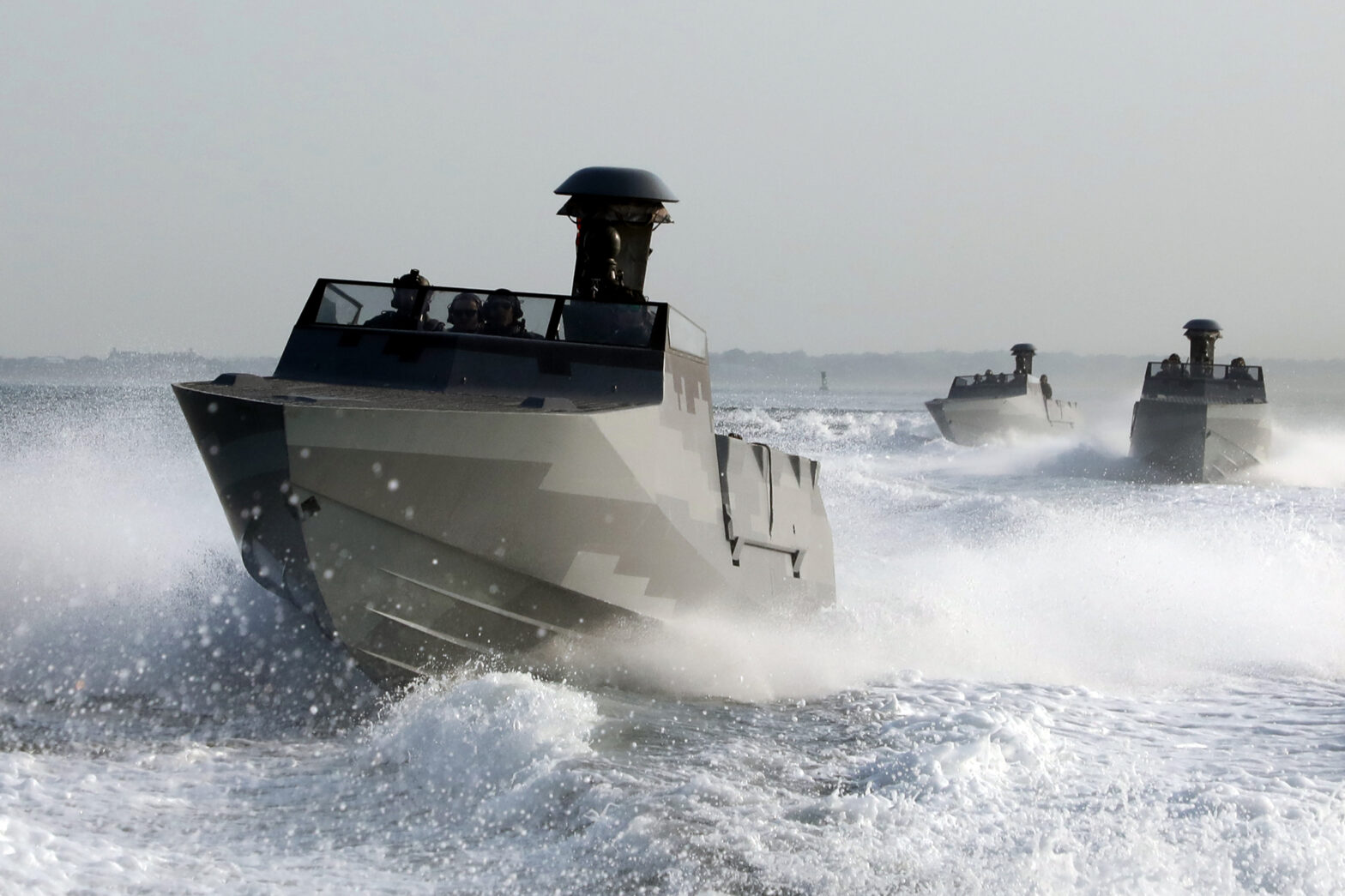
Researchers with the Department of Defense/Uniformed Services University Brain Tissue Repository (DoD-USU BTR) have reported that chronic traumatic encephalopathy (CTE) specific brain changes in military personnel are uncommon, particularly with those who are exposed to blasts. [1] This does not diminish the significant brain trauma of military personnel but highlights the importance of recognizing the… Continue reading CTE in SWCC – A Case Study
Breaking Down the Vestibular Components: Threshold Panning
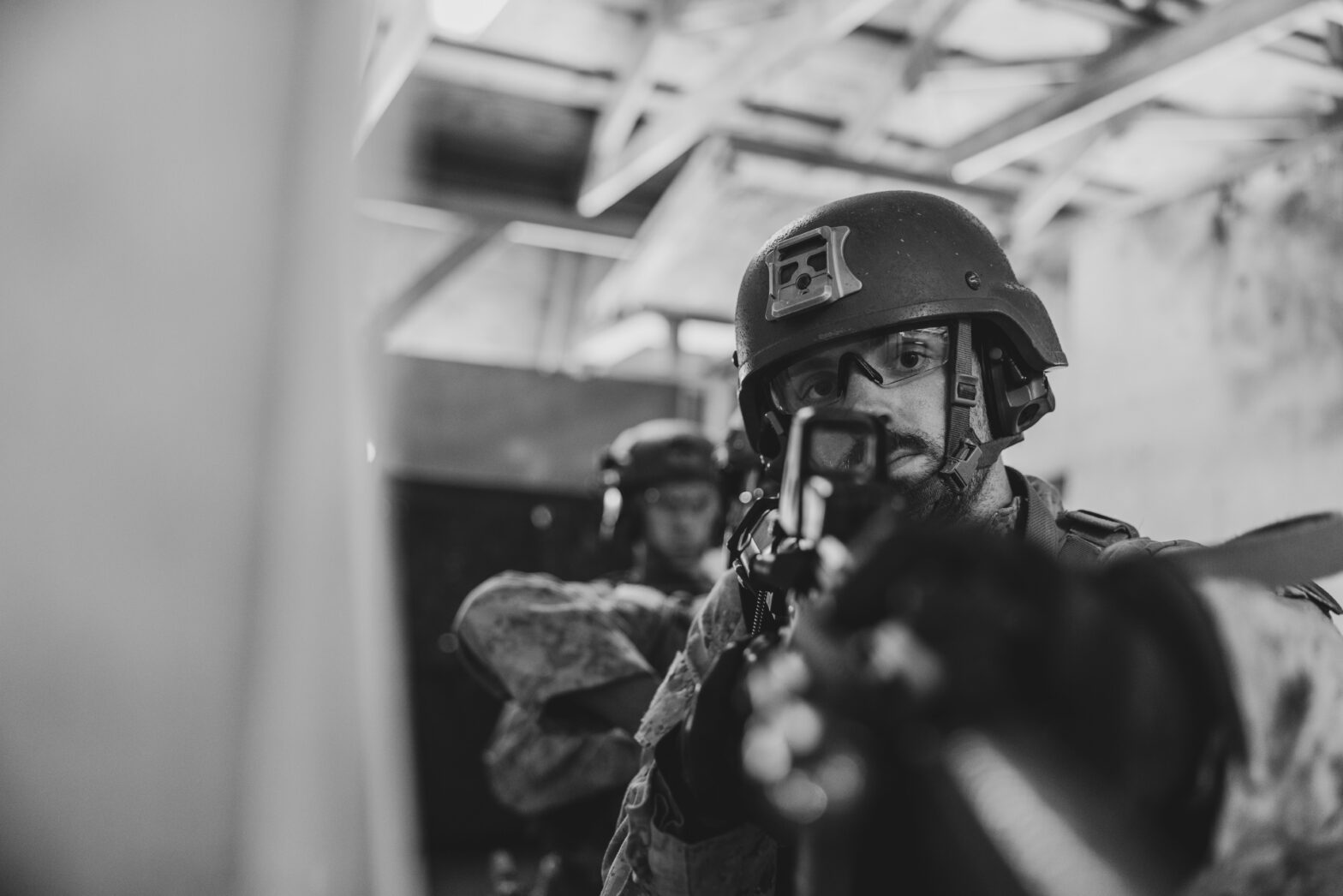
Threshold panning involves movement in the yaw vestibular plane. The vestibular system will have the following roles for execution of this capability. The vestibular system is vulnerable to blast overpressure. Vestibular training is vital for tactical professionals to maintain a high level of performance, get the job done, and come home safely.
Acoustic Pressure and Breacher’s Brain

Breacher’s brain describes sub-clinical effects of exposure to blast overpressure that frequently impacts sleep, reaction time, headache, nausea, and balance. Current research emphasizes overpressure as the culprit for these symptoms, but research lead by Venkata Siva Sai Sujith Sajja investigated the potential of acoustic pressure contributing to these symptoms. [1] The research team out of… Continue reading Acoustic Pressure and Breacher’s Brain
The Ear and Blast Induced Neurotrauma

There have been many advancements in technology to provide protection from blast exposure, including limiting direct passage through the skull, compression of the torso causing a transfer of kinetic energy to the brain, and through protecting the chest and lungs to reduce hypoxia. [1] Another potential site of blast overpressure transmission is through the ear… Continue reading The Ear and Blast Induced Neurotrauma
The Vestibular System and Cognition
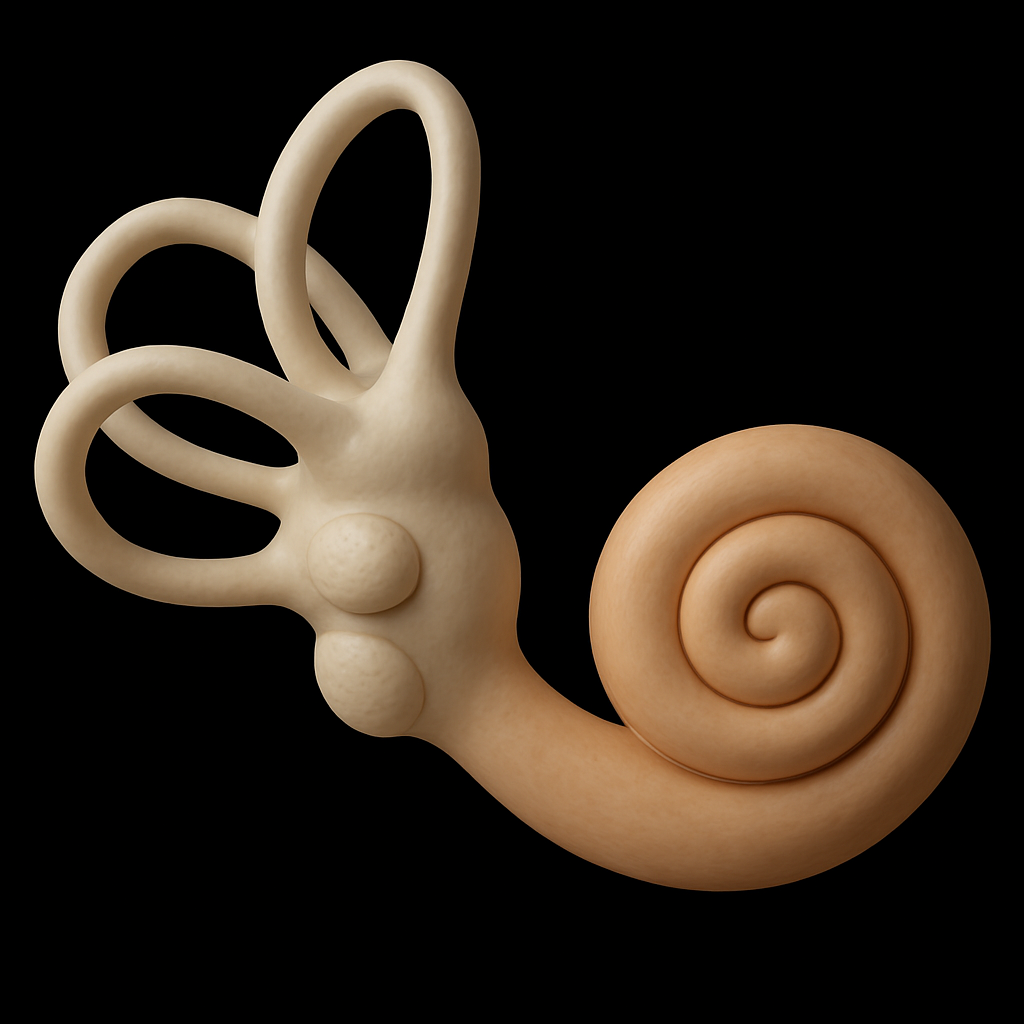
Vestibular function and cognition are closely related, with studies showing that individuals with dysfunction of the vestibular system frequently show deficits in attention, working memory, executive function, and spatial orientation. [1] The vestibular system is in the inner ear, just deeper than the hearing system. It is vulnerable to blast overpressure and ear pro does… Continue reading The Vestibular System and Cognition