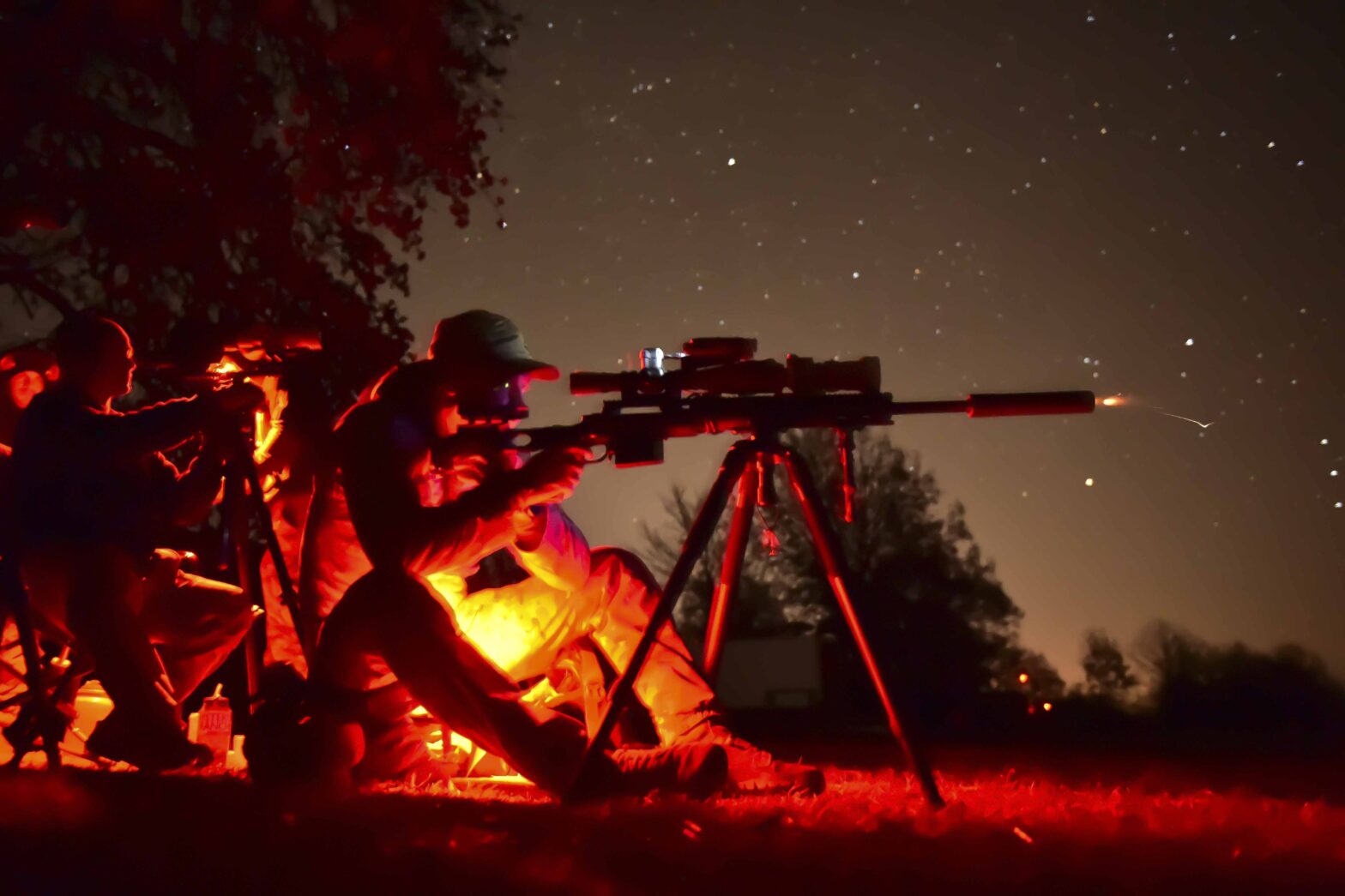
Target following utilizes your smooth pursuit eye movements. To successfully target follow, information from your visual system must be processed by your brain. Special operators who are exposed to repeated low level blasts showed decreased accuracy and speed with target following and divided focus. [1] This shows the susceptibility of this important situational awareness capability… Continue reading How I Train Target Following
Author: Dani Fennerty
New Research: A Distinct Metabolite Signature in Military Personnel Exposed to Repetitive Low-Level Blasts
This is a recent study published by Miller et al., 2022. Here is a summary of the study, findings, and conclusions. Reference: Miller, M. R., DiBattista, A., Patel, M. A., Daley, M., Tenn, C., Nakashima, A., … & Fraser, D. D. (2022). A Distinct Metabolite Signature in Military Personnel Exposed to Repetitive Low-Level Blasts. Frontiers in… Continue reading New Research: A Distinct Metabolite Signature in Military Personnel Exposed to Repetitive Low-Level Blasts
Own Your Movement
You want to own your movement. By that I mean, no matter the conditions, you are consistent with control over your movement. Most people train with their attention on their movement, usually staring directly at their feet, then wonder why that control doesn’t translate under the real-life conditions they execute in. But they’ve trained visual… Continue reading Own Your Movement
Which Sensory System Are You Relying on?
When performing on a stable surface and well-lit environment, your visual, vestibular, and somatosensory systems are all sending information to your central nervous system (CNS) that is similar. But you aren’t always performing in perfect conditions. When you ruck through mud or sand, the information regarding the position of your ankles (somatosensory information) is going… Continue reading Which Sensory System Are You Relying on?
The Dichotomy of Readiness
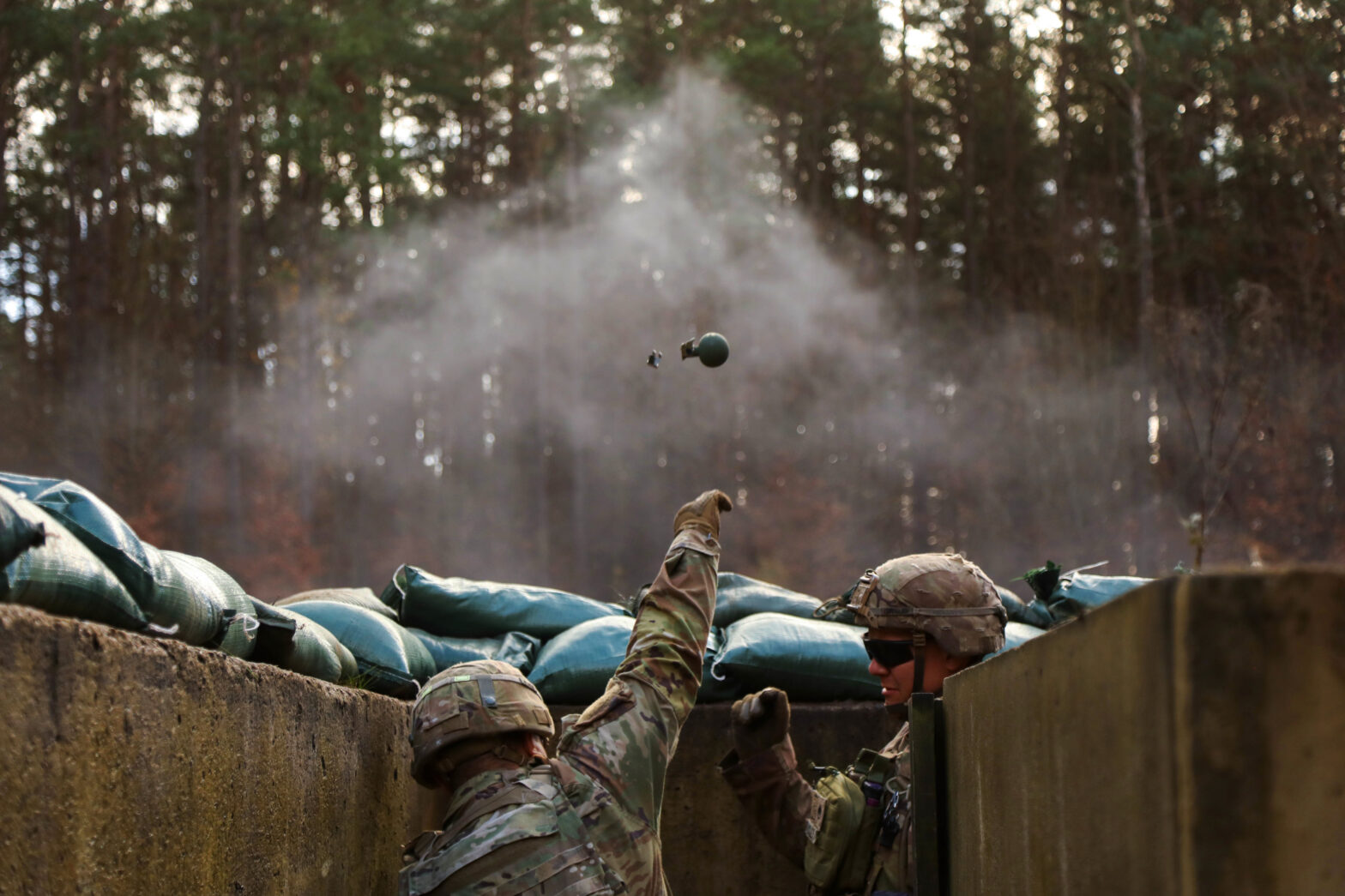
There is a dichotomy to maintaining readiness of force. Individuals must be exposed to subconcussive forces during training to maintain readiness, but those forces can chip away at performance. Particularly performance of the sensory systems for situational awareness. Strategy: Finally, we must incorporate training of the sensory systems for situational awareness in a proactive, performance-based… Continue reading The Dichotomy of Readiness
Target Acquisition in Multisensory Chaos

When in a highly stimulating environment you need to quickly determine if specific visual and auditory inputs are related. The faster and more accurately you determine the relationship between these two sensory stimuli (visual and auditory) the faster you can engage the target. “Failure to correctly identify whether multisensory events occur simultaneously and their sequential… Continue reading Target Acquisition in Multisensory Chaos
Training Situational Awareness with Specificity
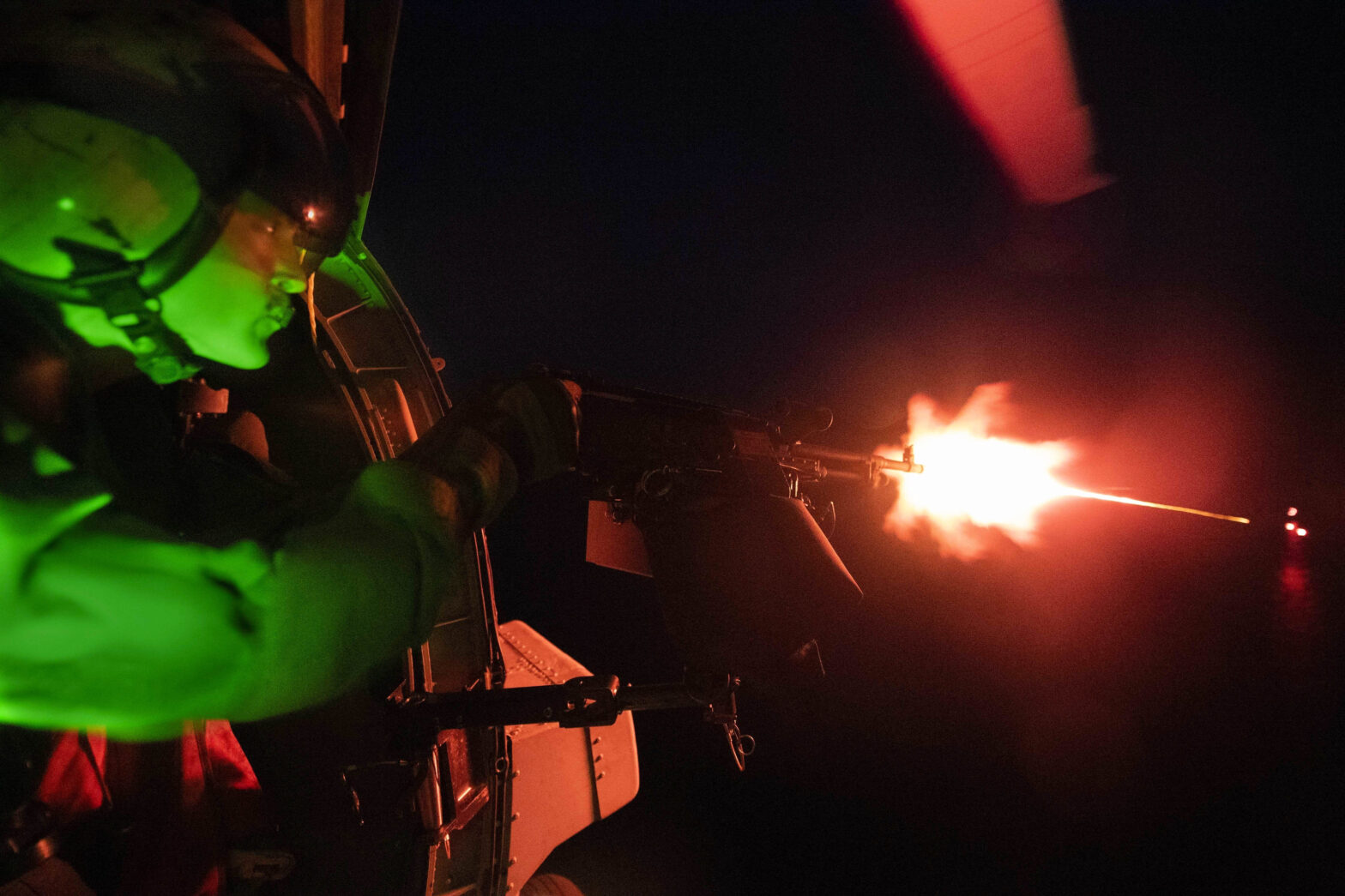
Training situational awareness should be done with specificity. Our sensory systems are highly adaptable, meaning they can get stronger given the right stimulus. But they get stronger with specificity so training must be intentional. The challenge with training situational awareness capabilities in tactical athletes is the unpredictable conditions you must prepare for. To train with… Continue reading Training Situational Awareness with Specificity
Amyloid Beta
Levels of Aβ-40 and -42 peptides were at least 50 times higher in healthy, cleared for duty, active-duty military and law enforcement breachers, snipers, and grenade throwers, as compared with controls. [1] Aβ (amyloid beta) peptides are the main component of amyloid plaques, the plaques found in the brains of people with Alzheimer’s disease. References:… Continue reading Amyloid Beta
Speed and Precision Under Sensory Chaos
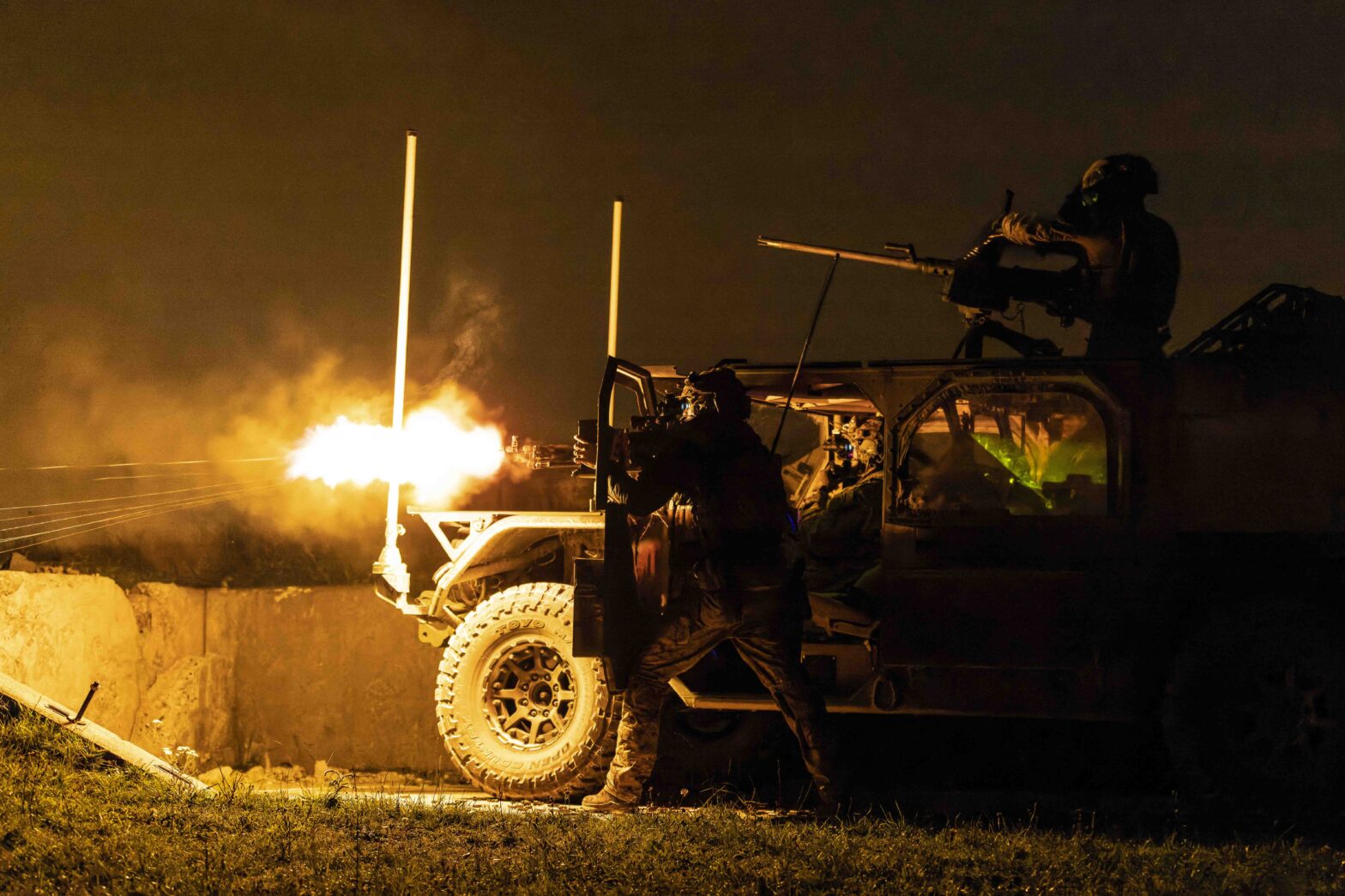
Speed and precision of movement is vital for performing at a high level. One of the best ways to separate elite performers from the rest is to challenge their speed and precision of movement under sensory chaos. When unprepared for sensory chaos one of two things typically happen. Loss of speed. Loss of precision. Loss… Continue reading Speed and Precision Under Sensory Chaos
Target Vulnerabilities
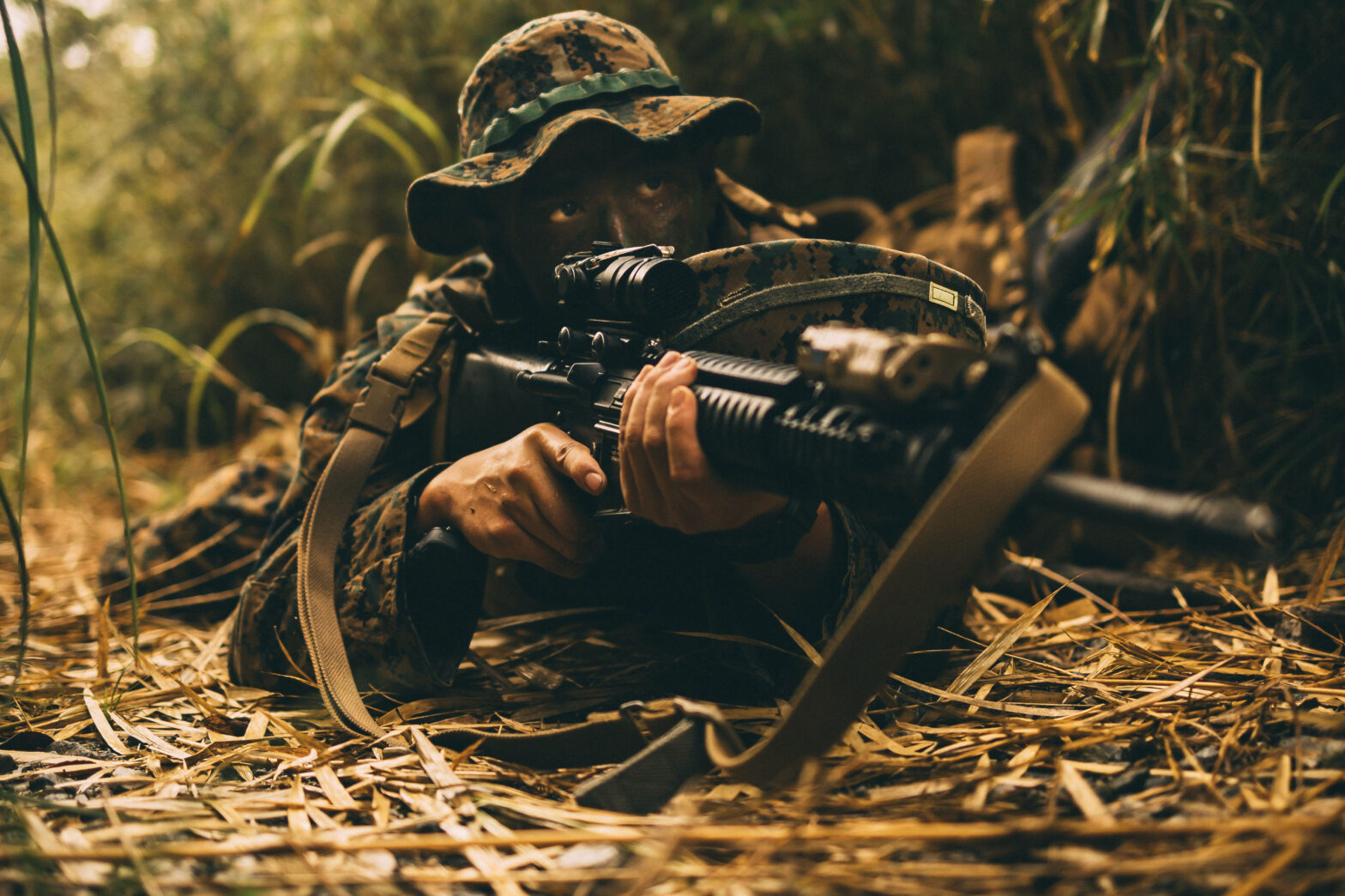
We know subconcussions can change the way the brain communicates. We also know the specific areas that appear most vulnerable to these exposures – emotion, memory, sleep, sensory systems for situational awareness. [1-3] But the brain remains plastic, meaning roadways aren’t permanent. Even in stroke patients and those with multiple sclerosis, neuroplasticity remains possible. [4-5]… Continue reading Target Vulnerabilities