Performance under complex visual environments is common among tactical professionals. One limiting factor to maintaining performance under complex visual environments is the sensation of motion sickness.
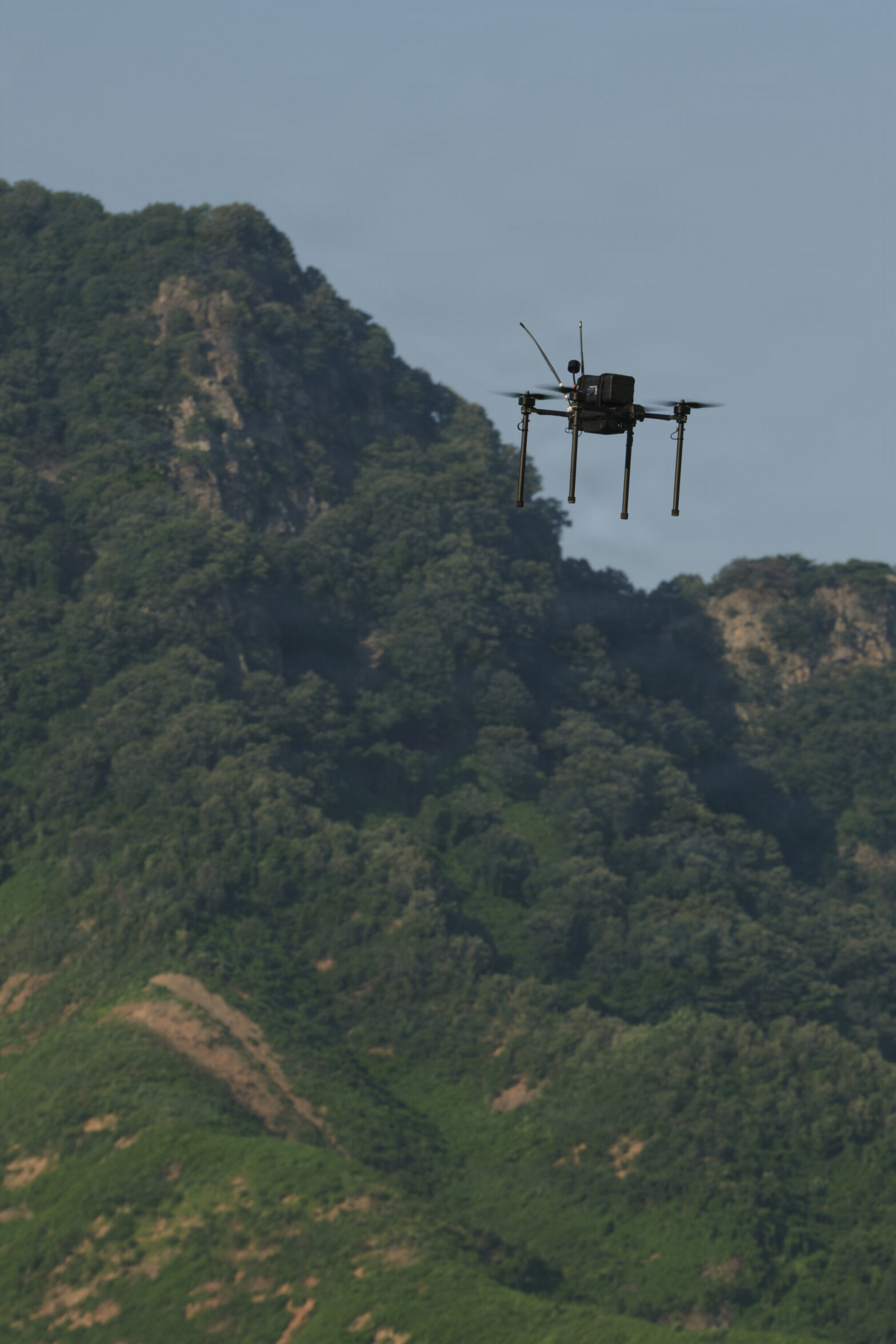
While many scenarios can induce motion sickness, the shift to use of drones highlights the importance of understanding motion sickness and strategies that can reduce its impact on performance.
Piloting drones can create an increase in visual information that is discordant to the vestibular and proprioceptive information one is receiving. This can contribute to the symptoms of motion sickness, such as nausea, decreased spatial orientation, dizziness, and blurry vision.
Improving the brain’s ability to tolerate discordant information can be achieved through training, leveraging a process called habituation.
Habituation is essentially desensitizing the brain to certain inputs.
For example, the first time at a shooting range, the loud noises will likely create an unwanted “jump” reaction. Whereas graded exposure to the sound will result in a decrease in the “jump” reaction to it.
Similar desensitization of inputs can be achieved to reduce motion sickness in visually complex conditions.
Visual-vestibular habituation training has been shown to be effective in reducing motion sickness in both NASA astronauts and in the general population. [1,2]
This is significant as it provides an opportunity to incorporate a greater number of drone pilots who may not have been able to tolerate the visual stimulus initially.
Moreover, if drone pilots are forward deployed and exposed to repeated subconcussive blast exposures, whether through firing their own weapons or through explosions created by enemy fire, they may experience a new onset of motion sickness when piloting due to the vulnerability of the vestibular system and brain to overpressure.
Proactive and “booster” vestibular training could provide a significant resilience of capability under novel and complex visual conditions, including the demands of piloting drones.
References:
- Suresh, B., Visvanathan, R., Dhanasekaran, N., & Jeevanantham, V. C. E. (2026). Effectiveness of Visual Vestibular Habituation versus Optokinetic Training for Chronic Motion Sensitivity. Journal of Health Science and Medical Research, 44(5), 20261356.
- Bloomberg, J. J., Reschke, M. F., Clement, G. R., Mulavara, A. P., & Taylor, L. C. (2015). Risk of impaired control of spacecraft/associated systems and decreased mobility due to vestibular/sensorimotor alterations associated with space flight (No. JSC-CN-34446).